- Money Masters Newsletter
- Posts
- The Fed's $4 Gas Problem, Nike's China Collapse, and the Platform War No One Sees!
The Fed's $4 Gas Problem, Nike's China Collapse, and the Platform War No One Sees!
Money Masters' Market Kickoff Week 15
Sponsored by

Dear Money Master,
Gas just crossed $4 a gallon, and instead of raising rates, the Fed is quietly signaling the opposite. We break down why high energy prices might actually be your best argument for cheaper borrowing costs.
Then Nike beat earnings and got punished anyway. China is cracking, margins are shrinking, and the guidance spooked Wall Street more than the results impressed it. Meanwhile, Beehiiv just handed creators a weapon against Patreon and Spotify, and it costs them nothing.
📚 Money Masters Article of the Day
The Subscription Drain Nobody Talks About 💳📉
Most people could not tell you exactly how much they spend on subscriptions every month. Not even close. The average American thinks they spend $86 a month. The real number is closer to $219. That gap is one of the quietest drains on household finances today. One article a day to transform your financial future. TAKE THE CHALLENGE!. TAKE THE CHALLENGE!
📰 Your Daily Financial Digest - April 6th, 2026
🌍 Economics:
$4 Gas Is Crushing the Economy! Here's Why the Fed Is Too Scared to Fight It!⛽ READ MORE
Gas just crossed $4 a gallon nationally, and oil is sitting above $100 a barrel. If you learned Economics 101, your brain probably says:higher prices = Fed raises rates to cool things down. But Fed Chair Jerome Powell just threw that playbook out the window.
Here's the concept you need: supply shock vs. demand inflation. Most inflation the Fed fights is demand-driven, the economy runs hot, people spend too much, prices rise. The fix is raising rates to slow things down. But a supply shock is different. Prices rise because something external, a war, an oil disruption, cuts supply. Raising rates doesn't fix that. It just slows the economy on top of an already painful squeeze.
Powell's argument is blunt: by the time a rate hike actually kicks in (roughly 12-18 months), the oil spike will likely be over, and you've just stomped on an economy that was already slowing.
The smarter move? Hold steady. Let the shock pass. Markets are now pricing in a 25% chance of a rate cut by year-end.
Investors are watching because higher energy prices eat at consumer spending. If people spend more at the pump, they spend less everywhere else, and that's when the economy slows on its own.
💻 Technology:
Patreon and Substack Have a Serious Problem, Beehiiv Just Declared War! 💀 READ MORE
Beehiiv, one of the fastest-growing newsletter platforms, just launched native podcast hosting. Creators can now write, publish, and monetize both a newsletter and a podcast in one place, and keep 100% of their revenue doing it.
The concept here is platform monetization economics. Right now, Substack takes a 10% cut of paid podcast subscriptions. Patreon takes 8%. Beehiiv is charging zero. That's not charity, it's a land grab. They make money on subscriptions and advertising infrastructure, so they can afford to give creators a better deal upfront to win market share.
What makes this strategically interesting is the flywheel. Newsletters drive podcast downloads. Podcasts drive newsletter signups. When both live on the same platform, the creator's entire audience stays in one ecosystem, and so does all the data, analytics, and ad revenue.
Beehiiv just crossed 50,000 active users and added $4.5M in revenue in a single quarter. Adding podcasting isn't a feature update. It's a bet that the future of the creator economy is owned audiences, not rented ones on Spotify or YouTube.
💹Earnings:
Nike's China Business Is Collapsing & the Worst May Still Be Ahead!📉 READ MORE
Nike posted $11.28 billion in revenue and earnings of 35 cents per share, both beat Wall Street's expectations. So why did shares drop? Because investors aren't buying yesterday's results. They're buying tomorrow's.
The concept is guidance, management's forward forecast. Nike warned that sales will fall 2-4% next quarter, against analyst expectations of a 1.9% increase. Its China business is expected to drop 20%. That gap between what the street expected and what the company is projecting is what sent shares lower, not the earnings themselves.
There's a second layer here: gross margin compression. Nike's margin slid to 40.2%, down 1.3 points, primarily from higher tariffs in North America. Margin is the percentage of revenue left after production costs. When it shrinks, it means Nike is paying more to make the same shoe and can't fully pass that cost to the customer without losing sales.
CEO Elliott Hill is in the middle of a real turnaround, wholesale is growing, North America is steady, but China is a weight that's hard to lift fast, and the rising cost environment isn't helping.
Markets are watching Nike because it's a proxy for the global consumer. When the world's biggest sneaker company signals caution, people listen.
88% resolved. 22% loyal. Your stack has a problem.

Those numbers aren't a CX issue — they're a design issue. Gladly's 2026 Customer Expectations Report breaks down exactly where AI-powered service loses customers, and what the architecture of loyalty-driven CX actually looks like.
Your Billing System Wasn't Built for This
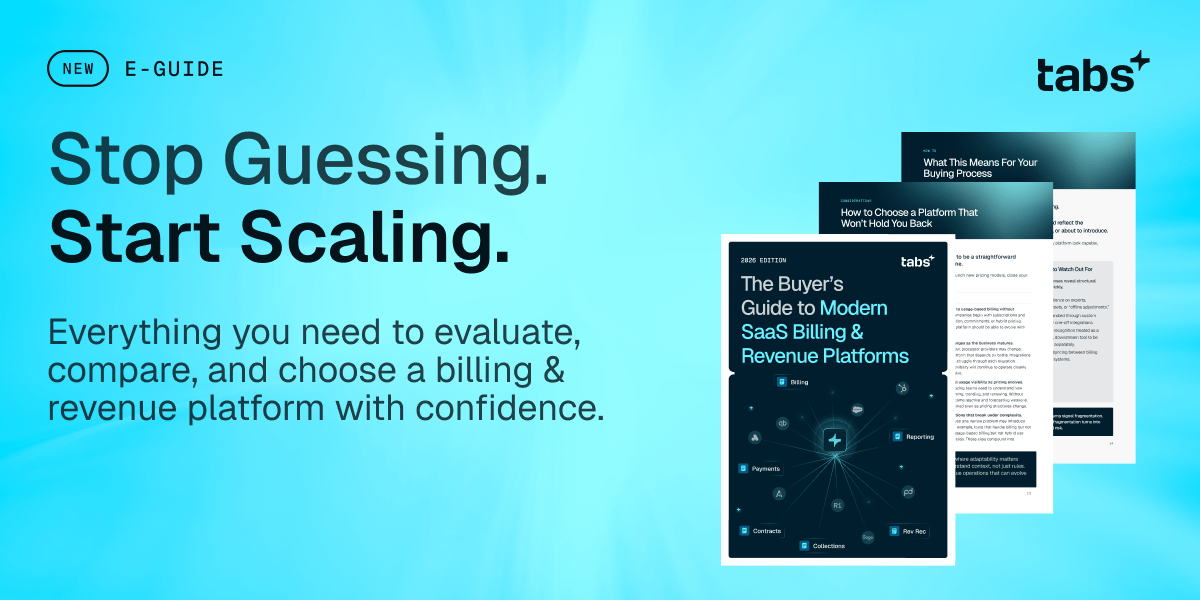
SaaS pricing has changed. Your billing stack probably hasn't. As usage-based and hybrid models become the default, finance teams are left stitching together spreadsheets, reconciling data manually, and closing books under pressure. The cost? Revenue leakage, audit risk, and forecasts no one trusts.
Our new Buyer's Guide for Modern SaaS Billing breaks down exactly what to demand from a revenue platform built for today's complexity — from automated usage billing to AI-native collections and rev rec. Whether you're evaluating vendors or rethinking your stack, this is your framework for getting it right.
To your financial empowerment, The Money Masters Team
P.S. Stay connected! Don't forget to follow us on social media! 📱🌐
DISCLAIMER: This information is for educational purposes only and does not constitute financial advice. The publisher does not accept any responsibility for any losses incurred as a result of actions taken based on the information provided. Always conduct your own research or consult with a financial advisor before making any investment decisions.